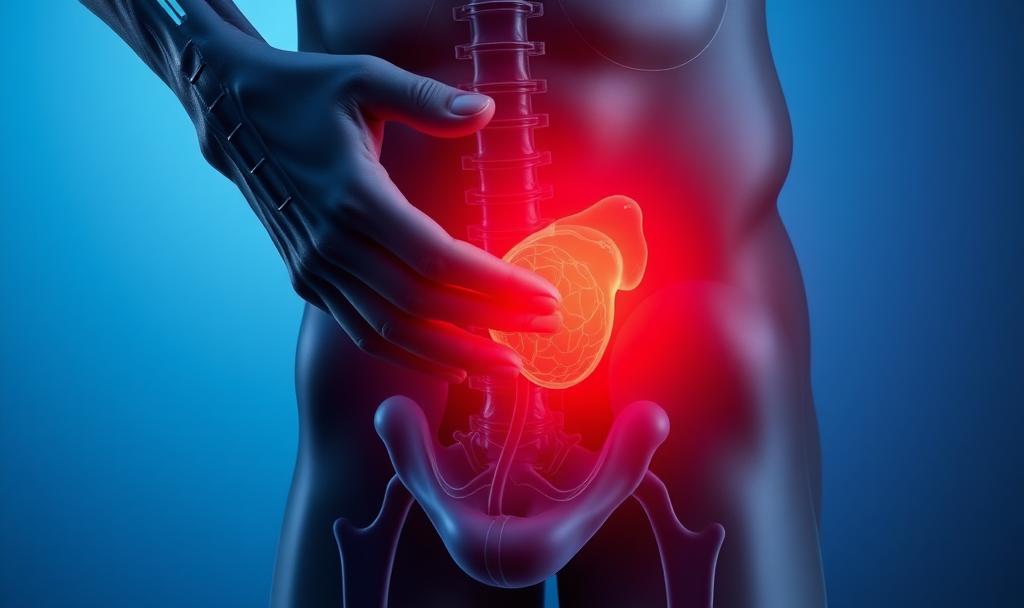
Why Prostate Health Deserves More Attention
Prostate health is often ignored until symptoms become impossible to overlook. By age 50, more than half of men experience some level of prostate enlargement, or benign prostatic hyperplasia (BPH).
When the prostate grows larger than normal, it can press against the bladder and urethra, making it difficult to empty the bladder completely. The result is frequent nighttime urination, restless sleep, and chronic fatigue. Over time, poor rest and low energy can take a serious toll on overall health and mood.
Fortunately, supporting prostate health doesn’t have to rely entirely on medication. Nutritional and lifestyle changes can make a measurable difference in reducing inflammation, balancing hormones, and improving urinary function.
Understanding the Root Cause
An enlarged prostate is rarely the result of one single issue. It’s often a mix of hormonal imbalance, inflammation, and insulin resistance.
As men age, testosterone levels decline while estrogen and DHT (dihydrotestosterone) activity may increase. High insulin levels from a carb-heavy diet can also stimulate tissue growth in the prostate. At the same time, chronic inflammation from poor diet, stress, or lack of exercise makes symptoms worse.
This is why addressing the underlying cause rather than just treating symptoms is key to long-term prostate health.
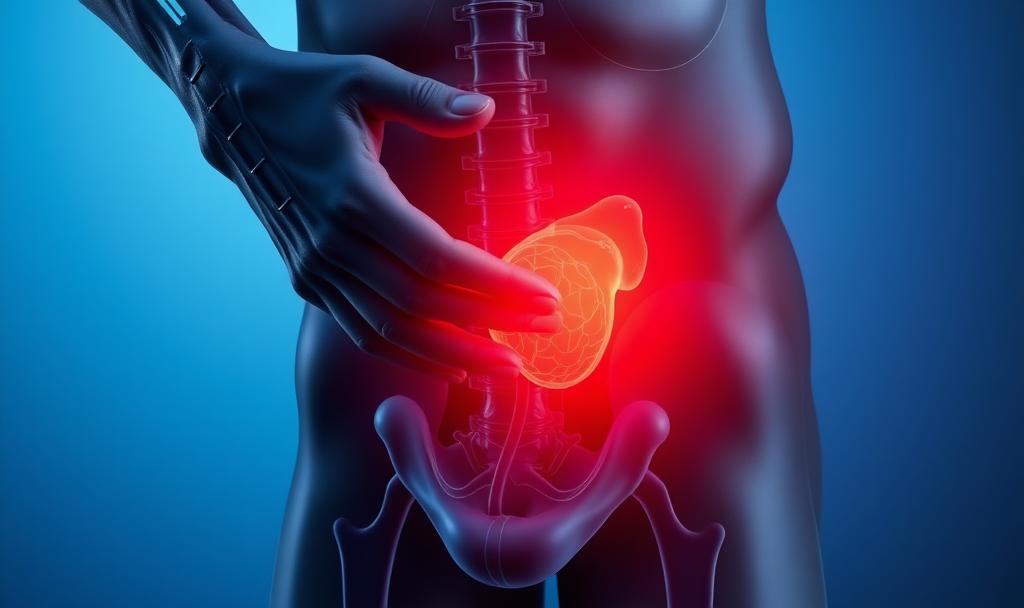
The 11 Best Foods for a Healthy Prostate
These foods are backed by research and nutritional evidence to help balance hormones, improve blood flow, and calm inflammation.
1. Wild-Caught Salmon and Sardines
Fatty fish are rich in omega-3 fatty acids, which help lower inflammation and support overall hormonal balance. Regular intake may ease urinary discomfort linked to an enlarged prostate.
2. Cruciferous Vegetables
Broccoli, kale, arugula, and cauliflower contain compounds like sulforaphane and DIM that help regulate estrogen levels. Arugula also boosts nitric oxide, which improves circulation and can make urination more complete.
3. Pumpkin Seeds and Pumpkin Seed Oil
Pumpkin seeds are one of the most studied natural remedies for prostate health. They help block 5-alpha-reductase, the enzyme that converts testosterone into DHT, the hormone associated with prostate growth.
4. Tomatoes and Tomato Paste
Tomatoes are high in lycopene, an antioxidant linked to reduced prostate enlargement and cancer risk. Cooked tomatoes and tomato paste increase lycopene absorption.
5. Green Tea
Green tea is rich in catechins, antioxidants that reduce oxidative stress and inhibit DHT production. Choose a decaffeinated version if caffeine affects your sleep.
6. Beets and Beet Greens
Beets are high in nitrates, which help the body produce nitric oxide. This improves blood flow and supports bladder function.
7. Dark Chocolate (85% or Higher)
High-quality dark chocolate is packed with magnesium and polyphenols that relax smooth muscle tissue and support circulation. These effects can benefit both the heart and prostate.
8. Cod Liver Oil
Cod liver oil provides omega-3s, vitamin D, and vitamin A three nutrients that reduce inflammation and support tissue repair. It’s a powerful addition to any prostate-supportive routine.
9. Apple Cider Vinegar
Taking a tablespoon of apple cider vinegar in water before meals can help regulate blood sugar and reduce insulin spikes, which contribute to prostate growth.
10. Watermelon
Watermelon is a source of citrulline, which helps increase nitric oxide production and improve blood flow. Enjoy it earlier in the day to avoid nighttime urination.
11. A Low-Carb, Whole-Food Diet
The most powerful step for long-term prostate health is lowering sugar and refined carbohydrates. Reducing insulin resistance helps decrease prostate growth and inflammation. A good foundation includes:
Lean proteins like fish, meat, and eggs
Healthy fats such as olive oil, avocado, and nuts
Plenty of vegetables, especially leafy greens and cruciferous types
Foods to Limit or Avoid
Some foods and habits make prostate symptoms worse by fueling inflammation or disrupting hormone balance. Limit or eliminate:
Refined carbohydrates and sugars
Seed oils such as soy, corn, or canola
Processed dairy products
Alcohol and caffeine before bed
Fried foods and fast food
Artificial sweeteners, which can irritate the bladder and prostate
Vitamin D and Magnesium
The prostate has receptors for vitamin D, which help regulate cell growth and inflammation. Low vitamin D is linked to increased prostate size and more severe symptoms. Aim for moderate sun exposure or supplement with vitamin D3 if needed.
Magnesium glycinate complements vitamin D by improving absorption and relaxing muscles, which can also aid urinary flow and sleep quality.
Lifestyle Habits That Make a Difference
Avoid eating or snacking late at night to keep insulin levels stable.
Reduce fluid intake two to three hours before bed.
Limit alcohol and caffeine, especially in the evening.
Maintain a healthy weight to reduce estrogen and insulin resistance.
Prioritize consistent, quality sleep for hormonal recovery.
The Takeaway
Prostate health doesn’t decline overnightand it doesn’t have to decline at all. Through intentional nutrition and better lifestyle habits, many men can reduce symptoms and support long-term wellness naturally.
Focus on simple changes: fewer processed foods, more omega-3s and vegetables, steady vitamin D, and better daily balance. Your body and your sleep will thank you for it.
Disclaimer: This content is for informational and educational purposes only. It should not be considered medical advice. Always speak with your healthcare provider before making changes to your diet, supplements, or medications.

