
Debunking the Myth: Is Air Pollution Really a Silent Culprit Behind Dementia?

In recent years, the discussion around the impact of air pollution on our health has gained considerable traction. Beyond its well-established role in respiratory and cardiovascular diseases, researchers have begun to explore the far-reaching consequences of fine particulate matter (PM2.5) on cognitive health, particularly its potential link to dementia. A recently published nationally representative cohort study has delivered intriguing findings, challenging preconceived notions about the relationship between air pollution, stroke, hypertension, and dementia.
A Surprising Revelation: Stroke and Hypertension Not Mediators: Contrary to initial hypotheses, the study unveiled that stroke and hypertension do not seem to be significant mediators in the association between PM2.5 exposure and dementia. This revelation suggests that there might be more complex mechanisms at play and underscores the need for further investigation into how air pollution influences dementia risk.
Methodology: The study, conducted by Boya Zhang and colleagues at the University of Michigan School of Public Health, adopted a comprehensive approach. Researchers initially hypothesized that vascular dysfunction, represented by stroke and hypertension, could act as mediators connecting PM2.5 exposure and dementia. The study involved 27,857 participants from the Health Retirement Study (HRS), a nationally representative cohort of older Americans. These participants, with an average age of 61 years, were dementia-free at the beginning of the study, with follow-up interviews conducted between 1998 and 2016.
The researchers estimated PM2.5 concentrations by considering residential addresses from the decade prior to the study's baseline and employed causal mediation modeling to assess whether stroke and hypertension could mediate or modify the association between PM2.5 exposure and incident dementia.
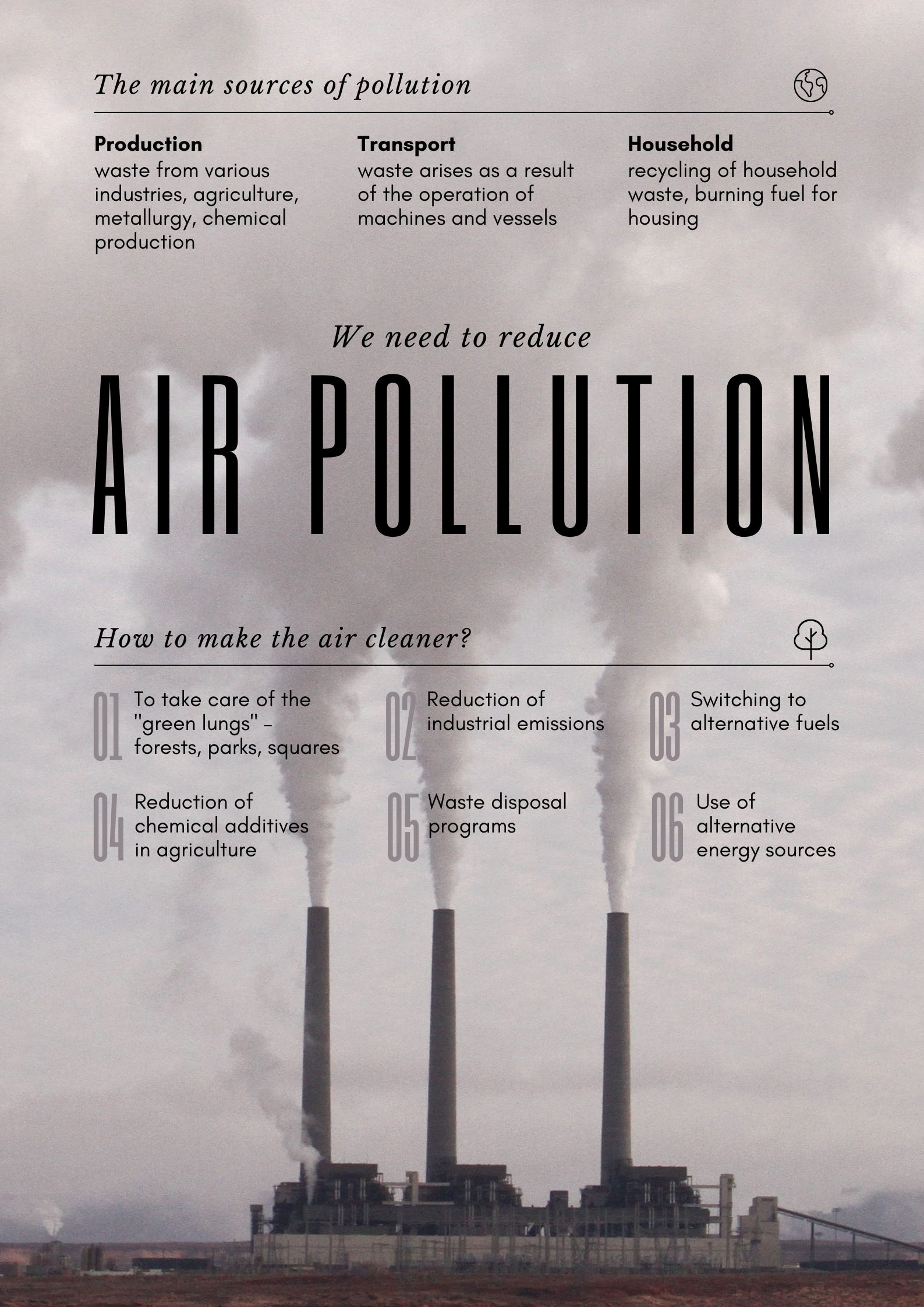
Key Takeaway: Reevaluating Assumptions: After a follow-up period averaging 10.2 years, 14.7% of the study's participants developed dementia. Intriguingly, the study found that higher levels of PM2.5 were not associated with an increased risk of stroke or prevalent hypertension. Furthermore, sensitivity analyses produced consistent results when examining younger participants and periods with higher-quality exposure data. The research suggested a potential association between PM2.5 exposure and dementia among those with pre-existing hypertension but found no similar interaction for stroke.
In Practice: The Quest Continues: These unexpected findings underline the complexity of the relationship between air pollution, vascular conditions, and dementia. With no clear evidence that hypertension or stroke mediate or modify the PM2.5-dementia association, the authors call for additional investigations into the intricate pathways underlying air pollution's connection to dementia. Understanding the etiology of this association is essential for identifying populations that may benefit the most from pollution reduction strategies.
Source and Limitations: This groundbreaking study was conducted by Boya Zhang and colleagues from the University of Michigan School of Public Health and published in JAMA Network Open. It's crucial to acknowledge certain limitations, such as the use of a 10-year average exposure before baseline, which may have underestimated the PM2.5-dementia association. Additionally, estimating PM2.5 levels based on residential history, rather than real-time locations, may introduce measurement error. Lastly, the use of self-reported mediators could lead to misclassification of hypertension and stroke.
Conclusion: The study's unexpected findings challenge our understanding of how air pollution, vascular conditions, and dementia are intertwined. As we continue to unravel this complex relationship, it becomes increasingly evident that more research is necessary. The quest to comprehend the pathways that connect air pollution to dementia etiology is vital for developing effective strategies to reduce dementia risk and safeguard the cognitive health of individuals exposed to PM2.5 pollution.