Many people think of fiber as something that helps digestion, but its role goes far beyond keeping your gut moving. Fiber has a powerful effect on cholesterol levels and can support long term heart health. The connection is simple. The right kinds of fiber help your body remove extra cholesterol before it enters the bloodstream. When you add steady amounts of fiber rich foods to your diet your cholesterol numbers can improve in a very real way.
There are two kinds of fiber and both matter. Soluble fiber is the type that becomes gel like when it mixes with water. This thick gel binds to cholesterol in your digestive tract. Once it binds to cholesterol your body cannot reabsorb it. Instead it is carried out as waste. This process forces your liver to pull cholesterol from your blood in order to make more bile acids. Over time this natural cycle reduces LDL which is the unhealthy cholesterol that doctors want you to keep low. Insoluble fiber does not form a gel but it still plays a supportive role. It keeps digestion steady and helps move everything through your system which prevents cholesterol and fats from sitting in your gut for too long.
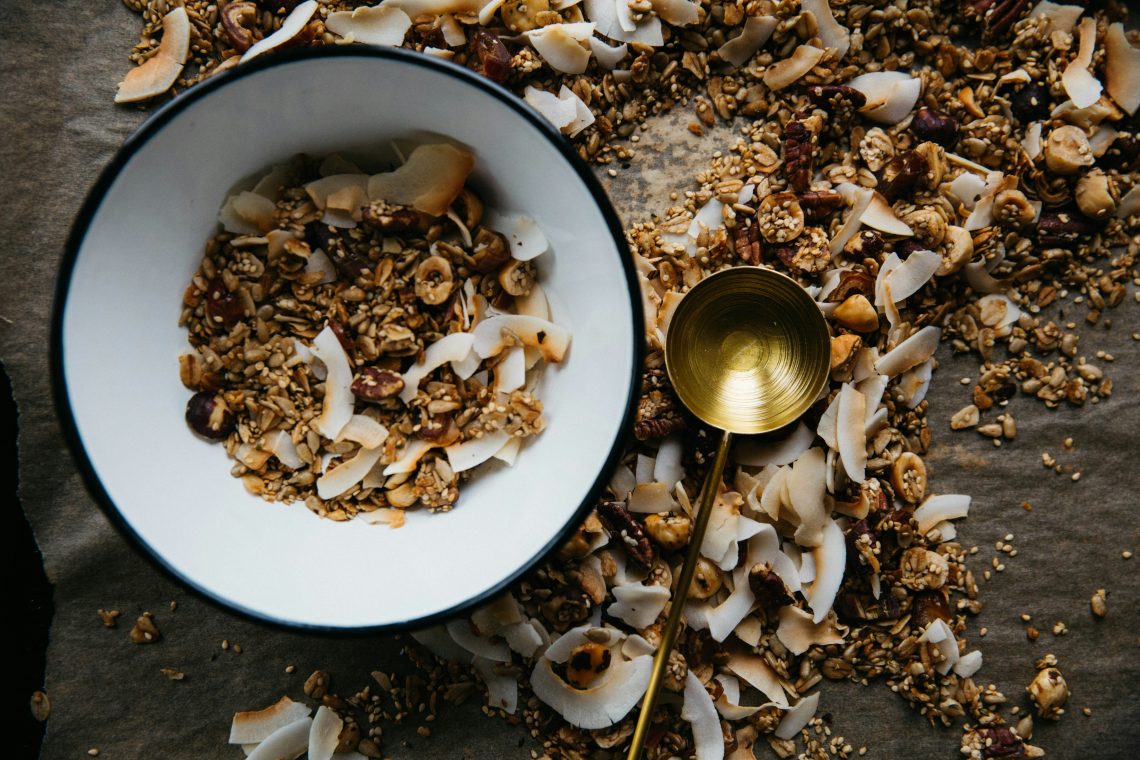
Foods that contain soluble fiber can make the biggest difference. Oats, chia seeds, flaxseeds, apples, pears, lentils, and beans are all strong sources. When you eat these foods consistently the gel forming fiber binds to LDL and reduces how much is absorbed. Research shows that adding just a few grams of soluble fiber each day can make a meaningful improvement in LDL levels. Many people notice changes within a couple of months when they combine fiber with regular movement and a diet that limits processed foods.

Fiber also supports the gut microbiome which has its own link to cholesterol. When gut bacteria break down soluble fiber they produce short chain fatty acids. These fatty acids help regulate how much cholesterol your liver makes. This means fiber works from two directions. It removes cholesterol through digestion and it also tells your liver to produce less of it. The result is a gentle and steady drop in LDL without medication for many people. Even for people who take cholesterol medication fiber can strengthen the results of their treatment.
There are easy ways to increase your daily fiber intake. Start your morning with oatmeal or a smoothie with chia or flax. Add beans to soups and salads. Choose fruit with the skin instead of juice. Swap refined grains for whole grains. Make these changes slowly so your body adjusts comfortably. Drinking more water throughout the day also helps fiber do its job.
The goal is to build a sustainable pattern. Fiber works best when it is part of your everyday routine rather than a quick fix. It supports heart health, digestion, and blood sugar stability all at the same time. With consistent choices you can support lower cholesterol in a natural and manageable way.
Disclaimer
This blog is for informational purposes only. It is not medical advice and should not replace guidance from a licensed healthcare professional. Always speak with your doctor before making changes to your diet or treatment plan.